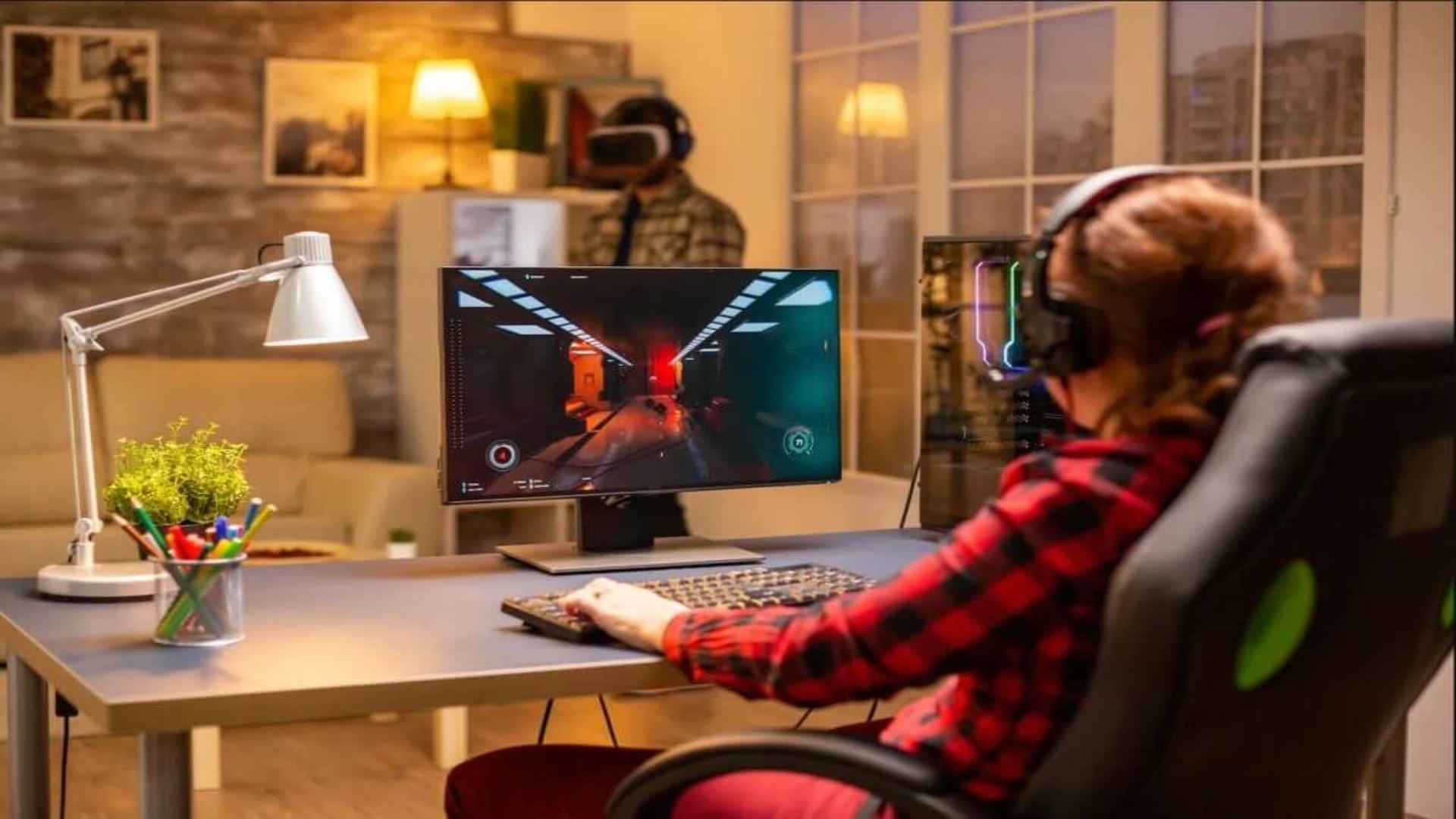
The global gaming landscape is shifting rapidly as developers look for new ways to keep audiences engaged over extended periods. At the center of this evolution is the transformation of surprise mechanics and how they influence player retention. As we look toward the future, these elements are becoming more sophisticated and deeply integrated into core gameplay loops.
The Psychology of Variable Reinforcement
Unpredictable distribution frameworks have long been a cornerstone of interactive digital design due to their powerful habit-forming nature. When players do not know exactly what prize they will receive, their brain chemistry experiences a heightened state of anticipation. This specific engagement mechanic transforms standard milestones into highly memorable events that encourage continuous interaction.
As studios refine these systems, they are shifting away from purely random drops toward smarter behavioral models. Future titles aim to balance the thrill of uncertainty with transparent progression systems to avoid alienating users. Striking this perfect equilibrium ensures that the gameplay remains sustainable and enjoyable over the long term.
Emerging Technological Integration
Advancements in machine learning and data analytics are completely redefining how virtual rewards are distributed to players. Modern algorithms can now analyze individual player habits to deliver dynamic incentives that feel uniquely relevant. This level of customization allows digital ecosystems to adapt in real time to distinct gaming styles.
Furthermore, developers are exploring new ways to connect randomized items with broader platform economies. Players looking for diverse entertainment experiences can discover top-tier alternatives at Mansion Sports to engage with competitive live events. These interconnected platforms highlight the expanding boundaries of modern entertainment systems.
Shifting Monetization and Live-Service Models
The traditional structure of digital marketplaces is undergoing a significant overhaul to meet evolving player expectations. While older monetization strategies relied heavily on basic loot drops, modern live-service games favor multi-tiered engagement systems. This approach ensures that casual participants and competitive enthusiasts both find value in the ecosystem.
Sustainability has become a primary focus for studios developing long-term online communities. By providing a steady stream of seasonal updates alongside unpredictable bonuses, games can maintain a fresh operational rhythm. This strategy ultimately prevents user fatigue and strengthens community loyalty over multiple years.
The Next Decade of Interactive Design
Looking forward, the relationship between player progression and mathematical probability will continue to mature. Emerging developers are prioritizing ethical design choices that respect user effort while preserving the joy of surprise. This evolution will likely result in deeper narrative integration and more meaningful virtual accomplishments.
Ultimately, the future of gaming lies in creating immersive environments where every action feels rewarding. As technology breakthroughs unlock new design paths, surprise mechanics will remain an essential tool for creators. Balancing innovation with player trust will define the next generation of successful digital platforms.